Before a sealant gun enquiry, send the maximum line pressure, the valve sizes and types, the injection fittings you have, the scope of work, and whether plant air is available. With these details an engineer can recommend a hand gun, an air-operated gun or a pump system. Send it by WhatsApp or the contact form and an engineer replies within 24 hours.
Knowledge · Injection equipment
What to tell us before an equipment enquiry
Send five details with your sealant gun enquiry and an engineer can match the equipment to your valves.
1. The five details we ask for
A good sealant gun enquiry starts with facts, not a request for a catalogue. Most enquiries begin with a valve that is passing. In one risk-based valve integrity study of upstream and midstream sites, published by Valve World, passing caused 61% of failures.
Distributions vary by population, so treat that figure as background. Your site facts decide the equipment, not the statistic. Send these five details and an engineer can match a gun to the work:
- Line pressure: the highest pressure the equipment will face.
- Valve sizes: types, sizes and roughly how many you treat.
- Fittings: the injection fittings present, and their condition.
- Scope: a one-off treatment or a recurring programme.
- Air: whether plant air is available at the valves.
The same five details serve a hand gun, an air gun or a pump enquiry. Our injection equipment buying guide explains each equipment class in more depth.
2. Line pressure and valve size
Line pressure sets the first limit, because sealant must enter against it. The gun, hose and fittings must be rated above pipeline pressure with margin. Injection must also stay within the fitting ratings. Our rules on injection pressure versus line pressure explain the safety margins.
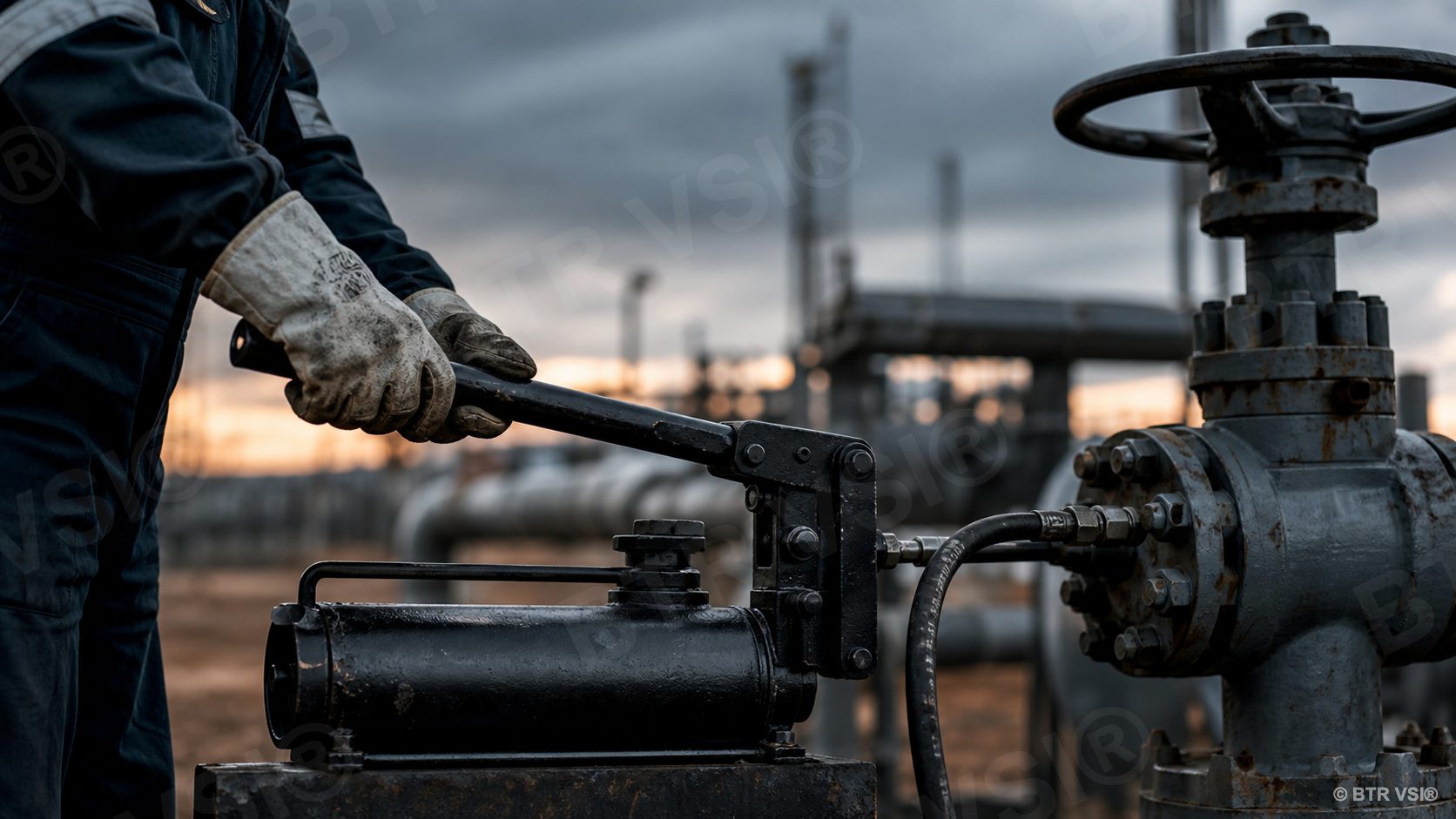
Valve size and count decide volume. A few small valves suit a hydraulic hand gun worked by hand. Many valves, or larger bores, favour an air-operated gun or a pneumatic pump with a stroke counter.
State the highest pressure the equipment will face, not a typical value. Cold sealant, blocked fittings and neglected valves all raise the force needed. If your plant has several pressure classes, list the highest one first.
Our comparison of hand guns and pumps by pressure and volume may help you prepare.
3. Fittings, adapters and condition
Injection equipment works only through fittings in good condition. Count the buttonhead fittings on each valve and note their size. Damaged or seized fittings are a stop-work condition until they are renewed.
Tell us where each fitting sits, on the stem or on the body. Reported practice limits injection at stem fittings to about 3,000 psi for buttonhead fittings. Treat that as practice, not a fixed rule, and follow the printed fitting rating.
Check that caps are present and threads run freely before the crew arrives. Adapters should match the fitting type you actually have.
Say if some valves have no fittings at all. Those valves may need a different plan, and it is better to know before equipment is chosen. Our guide to buttonhead fittings and their ratings covers identification and checks.
4. Scope, site rules and air supply
Scope shapes both the equipment and the products. A one-off treatment may need only a gun and a sealant. A recurring programme usually adds cleaner and lubricant, and a pump for volume.
Some gates come before any equipment recommendation. The valve design and its service must suit injection. Site rules and the permit-to-work must allow the job, and the fittings must be present and serviceable.
Where OEM documents exist, we consult them for limits and warranty terms. Treatment in service is not universally possible. Some valves need assessment or replacement instead.
Air supply then decides the gun class. The air-operated gun needs plant air at the valve, and our BTR550D air-operated gun is rated at 10,000 PSI with a double-acting piston. A hydraulic hand gun needs no air and works anywhere.
5. How to send the enquiry
Send the details by WhatsApp or through the contact form. An engineer replies within 24 hours with equipment matched to your pressures and fittings. You can request the product guide through the same enquiry, and an engineer sends it.
There is no need to fix the choice before you write. Part of the reply is advice on whether a hand gun, an air gun or a pump fits the work. If the valve problem is urgent, say so in the first message.
A photo of the valve and its fitting helps when you can send one. Photos often settle size and fitting questions quickly. Where the problem is unclear, we may suggest a survey before any purchase.
If the enquiry involves a passing valve, say how it was observed. Bubbles, sound and flow indications are screening evidence. A seat-leak test under agreed conditions, such as pressure decay, confirms it.
Common questions
Sealant gun enquiries questions, answered directly
What should I send with a sealant gun enquiry?
Send the maximum line pressure, the valve types and sizes, the injection fittings and their condition, the scope of work, and whether plant air is available. A photo of the valve helps. An engineer then matches a gun or pump to the job.
Does a sealant injection gun need compressed air?
Only air-operated guns and pneumatic pumps need plant air. A hydraulic hand gun is worked by hand and suits sites without an air supply. Tell us what power is available at the valve.
Which gun do I need for my line pressure?
It depends on your highest line pressure and the valve count, not on the symptom alone. The gun, hose and fittings must be rated above line pressure with margin. Follow the fitting ratings as well.
Can I order sealant and cleaner with the gun?
Yes. We manufacture valve cleaners, lubricants and sealants in-house, so equipment and product can come from one enquiry. Describe the valve service and the medium carried, and an engineer matches the product.
Ready to send your enquiry?
Send the valve and site details. An engineer replies within 24 hours.
Include line pressure, valve sizes, fittings, job scope and air supply, plus a photo if you have one.