Neither type is easier by design. A ball valve with factory seat injection fittings is usually the simpler online case, because sealant reaches the seats while the line stays live. A gate valve without injection points offers no route in beyond cycling and stem work, so ease follows the injection arrangement, not the valve name.
Knowledge · Comparisons
Gate versus ball valves: which is easier to maintain online
Ease of online maintenance follows the injection arrangement, not the valve name.
1. Where each valve accepts injection
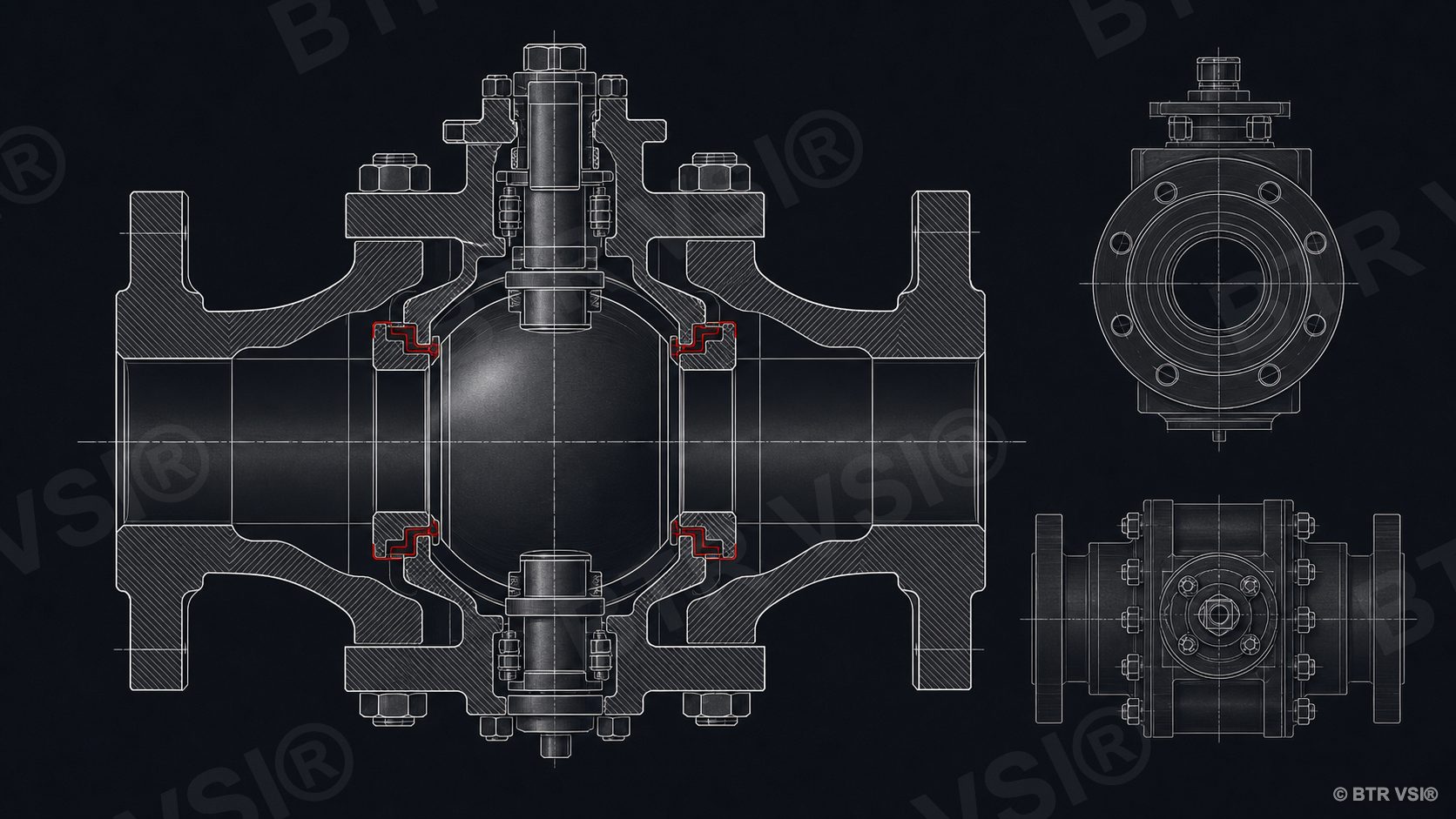
Ball valves built for in-service care carry buttonhead fittings on the seat pockets and the stem. Lubricant or sealant can reach the sealing surfaces while the line stays pressurised. This is the arrangement that online valve maintenance was built around.
Gate valves vary more than ball valves in this respect. Many older wedge gate valves have no seat injection points at all. Some parallel slide and expanding gate designs do include seat fittings. Stem fittings appear on both types, so stem treatment is often possible either way.
Before any injection job, the fittings must be sound and the design must suit injection. Site rules and the permit to work must also allow the job. Where the maker's documents exist, consult them for limits and warranty terms.
Seat material also shapes what injection can achieve for either type. See soft-seated versus metal-seated valves for how the seat changes the picture.
2. Cavities and trapped debris
The ball valve body cavity is both a feature and a burden. It traps line fluid and solids each time the valve closes. Debris pressed into the seats then shows up as passing. Trapped fluid can also raise cavity pressure when the line warms. Trunnion designs often include cavity relief, yet soft seats can still suffer. We explain the symptoms in cavity pressure in ball valves.
Gate valves collect line debris in a different way, through the path of the gate. The wedge or slab drags solids into the body as it moves. Guides and seat faces gather deposits, and a gate left closed in dirty service becomes hard to operate. Neither type is immune, and the cavity simply changes where the dirt settles. Online cleaning can reach some of this debris in suitable cases.
3. Typical faults on each type
Across many valve populations, one pattern of failure keeps repeating. A risk-based valve integrity study of upstream and midstream sites covered this question. Published by Valve World, it reported passing at 61 per cent and seizing at 28 per cent. External leakage took 6 per cent, with other causes at 5 per cent. Distributions vary by population, so treat the shape as a guide.
On gate valves, seizing is the fault engineers commonly see first. Infrequent cycling lets deposits bind the gate and the stem nut. Stem leakage and debris scoring on the seats follow behind.
On ball valves, passing seats lead the list of faults. Common causes include debris held on the seats and worn soft seats. Old sealant hardened by dry gas adds another known route to leakage. Cavity pressure adds a fault mode that gate valves rarely show. Read more about how pipeline valves fail and why closed valves still pass.
4. What treatment can reach
For a ball valve with sound seat fittings, treatment follows a short sequence.
- Confirm the gates: fittings sound, design suited to injection, permit in place, maker's limits noted.
- Inject cleaner and give it time to loosen old sealant and deposits.
- Cycle the valve and lubricate to bring the torque down.
- Inject sealant in controlled amounts within equipment and fitting ratings, watching the pressure response. Stop if it climbs without progress.
- Confirm any result with a seat-leak test under agreed conditions.
Any early improvement still counts as screening evidence, not proof of closure. A witnessed leak test or double block and bleed monitoring provides the confirmation.
A gate valve without injection points offers no route in. Cycling and stem lubrication help some of these valves, and nothing more is possible in service. Severe seat damage on any valve type sits beyond what injection can do. That valve needs a proper assessment, or replacement if the damage is confirmed.
5. Choosing and planning the next step
If you specify valves, choose types designed with injection points, and check the fittings at handover. If you inherit a mixed stock, the survey comes first. It records type, fittings, condition and service for every valve in the plant. Effort then goes where it pays, which is the core of survey-led treatment against blanket treatment.
Our survey teams work with operators across the Middle East, Asia and Africa. Some valves will still need workshop attention or replacement, and an honest survey separates those early. Planned cycling and top-ups then keep the treatable valves treatable for longer. The same thinking applies whether you standardise on ball valves or keep gate valves in service.
Common questions
Gate versus ball maintenance questions, answered directly
Are ball valves easier to maintain than gate valves?
Often yes in online work, but only because more ball valves come with seat injection fittings. A gate valve with the same fittings can be treated on similar lines. The injection arrangement decides, not the valve name.
Can a passing gate valve be sealed in service?
Only if it has injection fittings in sound condition and the site permits the work. Without fittings there is no route to the seats. The valve then needs assessment, or replacement if the damage is severe.
Why do ball valves trap pressure in the cavity?
The body cavity holds trapped fluid whenever the valve closes. A warming line can raise that pressure, and some seat designs relieve it only slowly. Cavity relief provisions and regular cycling reduce the risk.
Do gate valves seize more than ball valves?
Seizing is a common gate valve fault when valves sit unused in dirty service. Ball valves seize too, often from sealant hardened by dry gas. Cycling at least twice a year is common practice against seizing.
Comparing valve types?
Send the valve details. An engineer replies within 24 hours.
Include valve type, size, service, photos of the fittings, and the symptoms you have seen.