Before a first injection, an operator must be able to set up and check the gun, verify that the valve and fittings suit injection, inject controlled amounts within ratings, and stop when the pressure response says stop. First jobs should be supervised by a competent person and fully recorded. Training builds these competencies; it is not a briefing.
Knowledge · Injection equipment
Training before first injection: what operators must be able to do
A sealant gun is only as safe as the hands and the training behind it.
1. Why training comes before injection
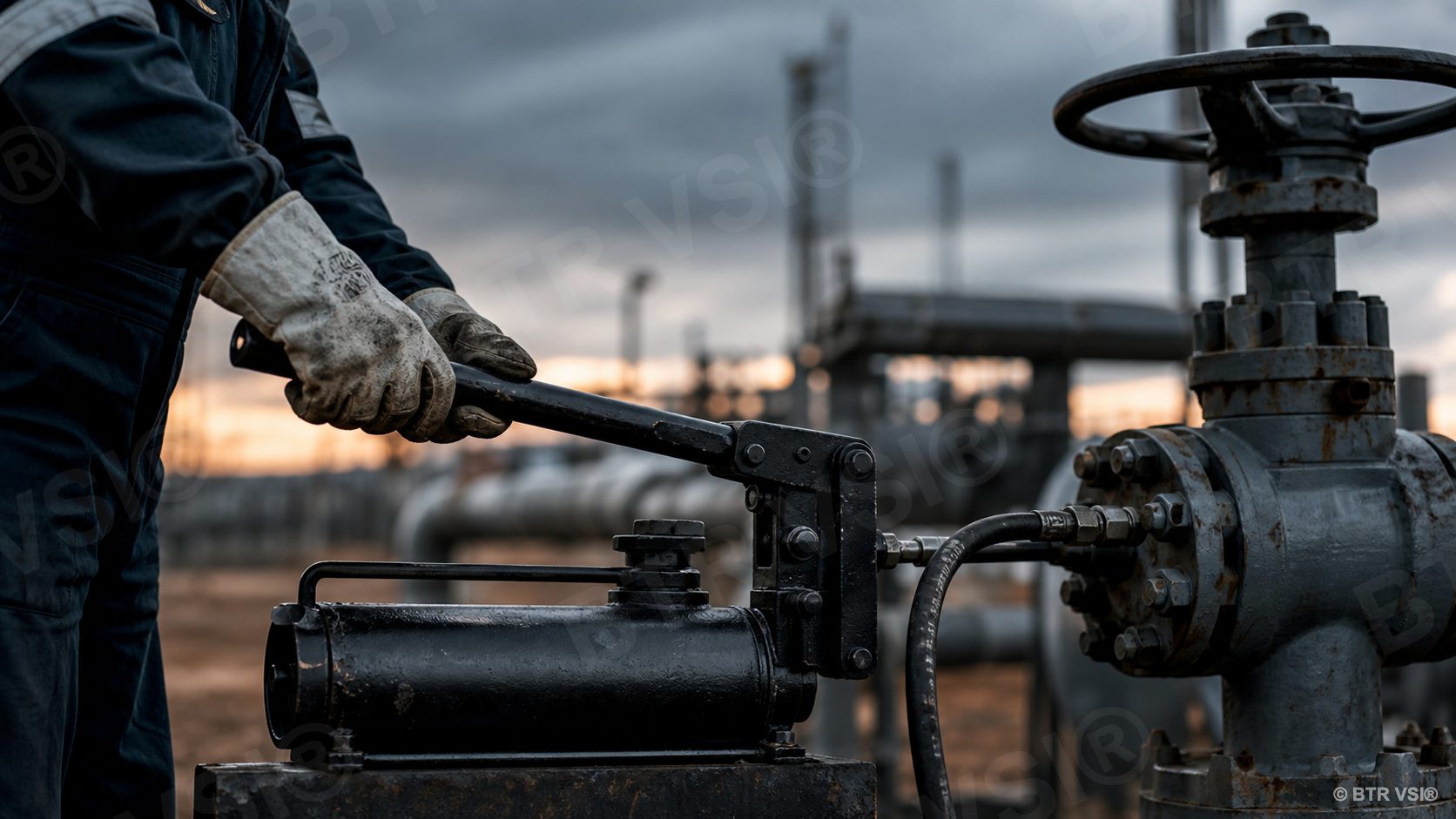
Sealant injection guns work at high pressure, often above the rating of the fitting they feed. That gap is the reason competence, not confidence, must qualify an operator. A gun is easy to stroke and hard to judge, because every valve responds differently.
An untrained operator can damage a fitting, a seal or a valve stem very quickly. Training closes that gap before the first job, covering equipment, valve, product and stop rules together. If you are still choosing guns, start with the injection equipment buying guide, then plan the training that follows the purchase.
2. Competencies an operator must show
Competence is demonstrated on the valve, not on a classroom attendance sheet. Before a first injection, an operator should be able to do all of the following.
- Check the gun, hose and couplings before use, and know which service kit fits which model.
- Confirm the gates: fittings in good condition, valve design and service suited to injection, permit in place, OEM limits consulted.
- Work to fitting ratings rather than gun ratings. Industry safety practice limits buttonhead fittings on stems to 3,000 psi.
- Inject controlled amounts within ratings, watch the pressure response, and stop when the response turns abnormal.
- Treat pressure rise and flow indication as screening evidence only, then ask for a seat-leak test under agreed conditions.
- Record the product, the quantity, the pressure behaviour and the observed outcome for every valve treated.
Not every valve can be treated in service, and knowing that is part of the same competence. Where the cause is unclear or damage is suspected, the honest endpoint is a proper assessment.
3. What a good training programme includes
A sound programme moves from knowledge to supervised practice, and it ends with an assessment rather than a certificate of attendance.
- Equipment theory: how the gun develops pressure and where its limits sit.
- Product knowledge: what cleaner, lubricant and sealant each do, plus sealant compatibility basics.
- Practice on a training valve or a decommissioned line before any live work.
- Supervised live work, then a practical sign-off against the competency list above.
Refresher sessions matter as well, because products, equipment and site rules change over time. Ask any provider, including us, to show how they assess. The answer tells you what the training is worth.
4. Supervision through the first jobs
A new operator should not work alone on the first several jobs. The early injections happen under a supervisor who watches the pressure response and can call a stop.
Progression is usual: observe first, then perform under supervision, then work alone on routine valves. Difficult services and badly neglected valves stay with experienced people until competence is proven. Emergency isolation by body fill is a specialised and higher-risk procedure, performed by trained specialists, assessed case by case. It sits outside basic operator competence.
The stages of a supervised job are set out in online sealant injection: pre-job checks and acceptance evidence. Use that pattern as the script for a first job, and keep the record with it.
5. Records that prove the system works
Competence lasts only if it is written down, in two separate record streams. The training record lists who was trained, on which equipment, and who signed them off as competent.
The injection record lists, per valve, the product, the quantity, the pressure behaviour and the observed result. Together they answer audits, support warranty discussions and reveal valves that keep needing attention. A valve that returns again and again is telling you something, and the record makes that visible.
Gun condition belongs in the same system. Guns in steady use should be checked against their service kits in good time, and the injection equipment service and repair programme shows what that involves.
6. Getting operators trained with BTR VSI
BTR VSI provides operator training as part of its online valve maintenance services. Our engineers inject for a living, and the training draws directly on that field work.
Sessions can cover the guns we supply and the cleaners, lubricants and sealants we make in-house. They also cover the records a site should keep after each job.
If you are weighing whether to train your own team or leave injection to a provider, read owning injection equipment versus relying on a service provider first. Many sites settle on a mix of both.
The operator training service page sets out the scope. Send your valve details, and an engineer replies within 24 hours with a plan built around your equipment and site rules.
Common questions
Sealant gun training questions, answered directly
How long does sealant gun training take?
It depends on the equipment, the products and the valves involved, so a fixed duration would be false comfort. Good programmes end with a demonstrated sign-off rather than a set number of hours. Ask what the assessment covers.
Can one person operate a sealant gun alone?
On routine, assessed work a competent operator can work alone within site permit rules. First jobs and difficult valves need a second trained person present, both for safety and for judgement.
What should be written down after each injection?
Record the valve identity, the product and quantity injected, the pressure response, any stop decision, and the observed outcome. Add the operator name and the date. These records support audits, warranty discussions and later diagnosis.
Is training needed for air-operated guns as well?
Yes. Air-operated guns inject faster and reach higher pressures than hand guns, so the stop rules matter more, not less. The competencies are the same, but the assessment should be on the equipment the operator will actually use.
Ready to train your operators?
Send the valve and team details. An engineer replies within 24 hours.
Include valve types and sizes, media, fittings and operator numbers, by WhatsApp or the contact form. Request the equipment guide.