BTR VSI repairs sealant guns and pneumatic pump systems in a workshop programme. You send the gun with its details, we strip and inspect it, then fit a minor or major service kit as the inspection demands. Every repaired gun is pressure tested to its rating and returned with a service record you can file.
Knowledge · Injection equipment
Injection equipment service and repair: how the programme works
A sealant gun repair follows one path: inspect, service, repair, pressure test, return, with records.
1. What the repair programme covers
Injection equipment works at high pressure, in dirty places, with sticky fluids. Seals wear, internal valves foul, and couplings take knocks.
Slow pressure build, fluid weeping at seals, and stiff operation are the usual early signs. When a sealant gun stops holding pressure, a proper repair is often the least intrusive fix.
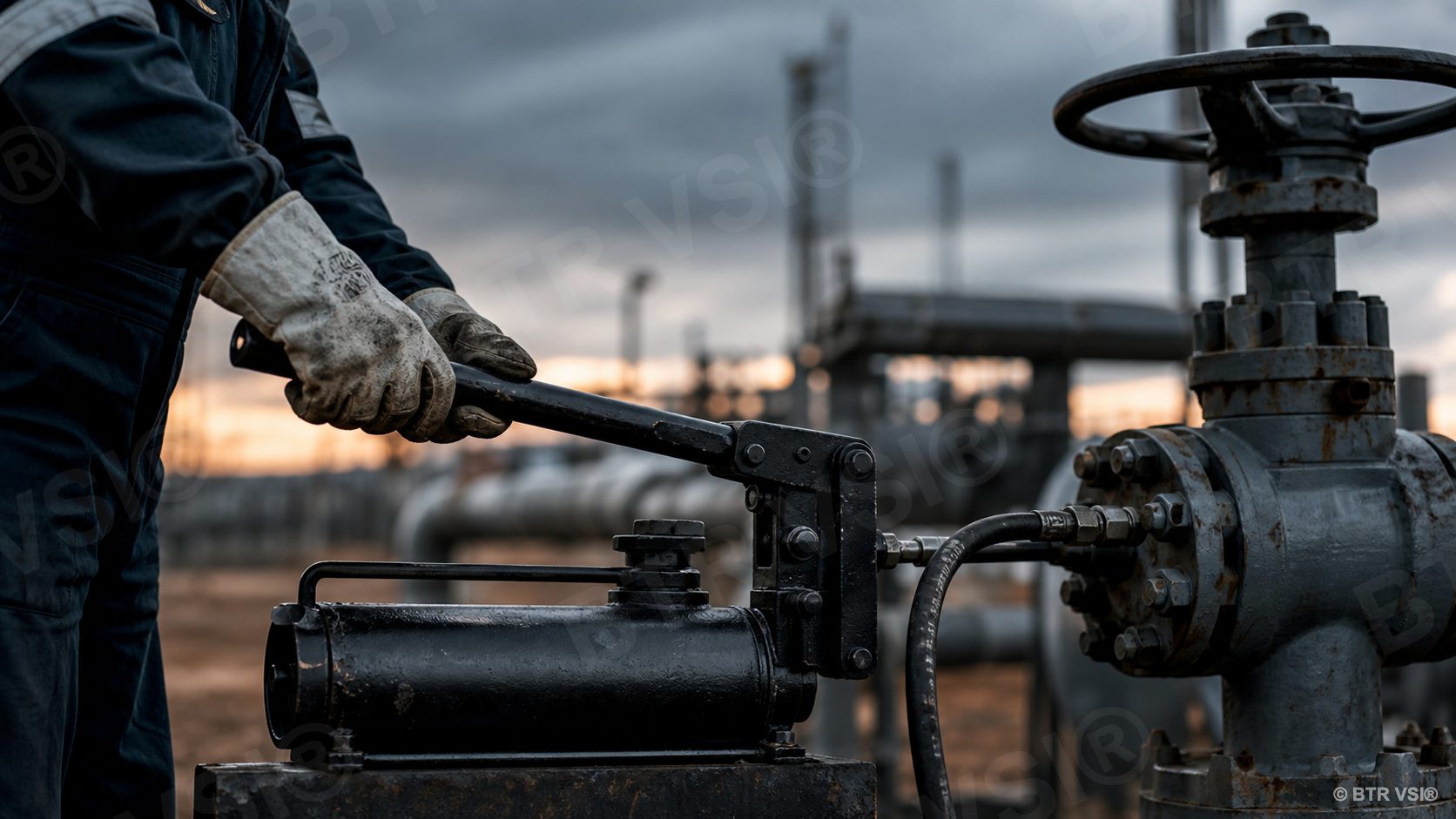
Our workshop programme covers the equipment we supply. That includes the BTR450D hydraulic hand gun and the BTR 550D air-operated gun. Pneumatic pump systems, with their customised stroke counters, are covered too.
This programme repairs the tool, not the valve. If your problem is a passing or seized valve in a live line, tell us that instead, and the conversation changes.
You send the equipment in, and it comes back serviced, tested and documented. If you are still choosing tools, read our injection equipment buying guide first.
2. How to send a gun for repair
Start with a message, not a parcel. Send the details by WhatsApp or through the contact form, and an engineer replies within 24 hours. Include the following points:
- The equipment model, and its serial number if it carries one.
- The fault you see, in plain words. For example, the gun builds pressure slowly, or leaks at the coupling.
- What the equipment injects, and how often it is used.
- The last service date, if you know it.
These details let us reserve the right service kit before the gun arrives. They also flag faults that sit outside the gun, such as a damaged hose or a worn coupling.
Pack the gun clean and dry where you can. Note any site rules that applied to its removal, and mention warranty documents if the gun is new.
You can also request the equipment guide through the same enquiry.
3. Inspection comes before any repair
On arrival, the gun is stripped and inspected. Common findings include worn seals, scored pistons, fouled internal valves and damaged couplings. We examine the hydraulic end, the air motor where fitted, and every sealing surface.
Contamination drives many repairs. Dirt in the sealant, or water in the air line, attacks seals and bores over time. Clean fluids and dry air prevent many of these findings.
The inspection also separates the gun from its fittings. A gun that holds pressure on the bench but loses it in the field suggests the fault lies in the hose or coupling, not the pump. That finding saves unnecessary repair cost.
You receive the assessment before work starts. If a gun is beyond sensible repair, we say so plainly, and we say why. The repair and retirement criteria are set out in a separate guide.
4. Service kits, repair and pressure testing
Repairs use the service kits made for each gun model. A minor kit covers the seals and small parts that wear in normal use. A major kit covers the deeper rebuild.
The inspection decides which kit fits, not a fixed rule. See what minor and major kits cover before ordering spares.
After reassembly, every gun is pressure tested to its rated pressure. For the air-operated gun that means 10,000 PSI. The test looks for internal bypass and for external leaks, and a gun that fails does not ship.
Because we supply this equipment, the spares are matched to the model, and nothing is improvised. A test that fails is investigated, corrected and repeated before dispatch.
Our workshop has supplied and serviced this equipment for more than 30 years. The people who repair your gun know how it was built.
5. Records, return and care afterwards
The gun returns with a service record. It lists the parts replaced, the kit used, the test pressure reached and the result. Keep it with your maintenance files, because it answers auditors and supports planning.
Pneumatic pump systems come back with their stroke counters checked, so dosing stays trustworthy on site.
Care between services reduces repair trips. Clean couplings after use, store the gun dry, and follow the lubrication advice in the equipment documentation.
The gun care guide lists the habits that matter. To book a repair, use the equipment repair service page.
Some sites prefer not to own guns at all. If that is your position, compare the options in owning injection equipment versus relying on a provider.
Common questions
Sealant gun repair questions, answered directly
How long does a sealant gun repair take?
The time depends on the fault and on spare parts. A gun needing a minor kit is usually quicker than one waiting on parts. We confirm the expected turnaround after the inspection, before any work starts.
Can you repair guns from other makers?
Our programme covers the guns we supply, including the BTR450D hand gun and the BTR 550D air-operated gun. Send details of any other tool and an engineer will tell you plainly whether we can help.
Is a repaired gun pressure tested before return?
Yes. Every gun is pressure tested to its rated pressure after repair, before it returns to you. The result is recorded on the service sheet that travels with the gun.
When should a gun be retired rather than repaired?
A gun with a cracked body, a stretched frame or a damaged hydraulic cylinder should be retired. Repairs cannot restore structural metal. Our assessment states plainly when replacement is the safer choice.
Need a gun repaired now?
Send the gun details. An engineer replies within 24 hours.
Include the model, the fault you see, what it injects, and the date of its last service.