A high pressure injection safety programme rests on four parts: written rules that set pressure limits and stop-work conditions, practical training on the guns and pumps, scheduled inspection of equipment and fittings, and incident learning that feeds back into the rules. No programme can make injection universally safe; it works only where fittings, valve design and permits allow the job. Start with the rules, then train and inspect against them.
Knowledge · Injection equipment
Building an equipment safety programme for your team
A safety programme turns individual skill with high pressure injection into a system the whole site can trust.
1. What the programme must cover
A safety programme is more than a set of precautions. It links four parts: written rules, trained people, inspected equipment and honest incident learning. Each part supports the others, and a gap in one weakens the rest.
This article sets out how to build each part for high pressure injection work. Before any job, the programme must state the gates:
- The valve must have injection fittings in good condition.
- The valve design and the service must suit injection.
- Site rules and the permit-to-work must allow the work.
- Where OEM documentation exists, consult it for limits and warranty terms.
In-service treatment is not universally possible, and the programme should say so plainly. Valves built with injection points are designed to be maintained in service. Equipment choice shapes the rules too, so begin with the injection equipment buying guide when you plan what the team will hold.
2. Write the rules before the job
Written rules carry the decisions taken while calm, not under pressure on site. They state what may be injected, through which fittings, and within which limits.
Industry safety practice keeps stem-fitting injection at or below 3,000 psi for buttonhead fittings. Equipment and fitting ratings govern in every case, and the written rule should defer to them.
The method statement should describe controlled injection. Set controlled amounts within ratings, watch the pressure response, and define stop-work conditions that any team member can trigger.
Emergency isolation by body fill belongs in the rules only as a note. It is a specialised and higher-risk procedure, performed by trained specialists and assessed case by case.
When drafting pressure rules, first read our notes on injection pressure versus line pressure and the high-pressure gun safety rules.
3. Train the team on the equipment
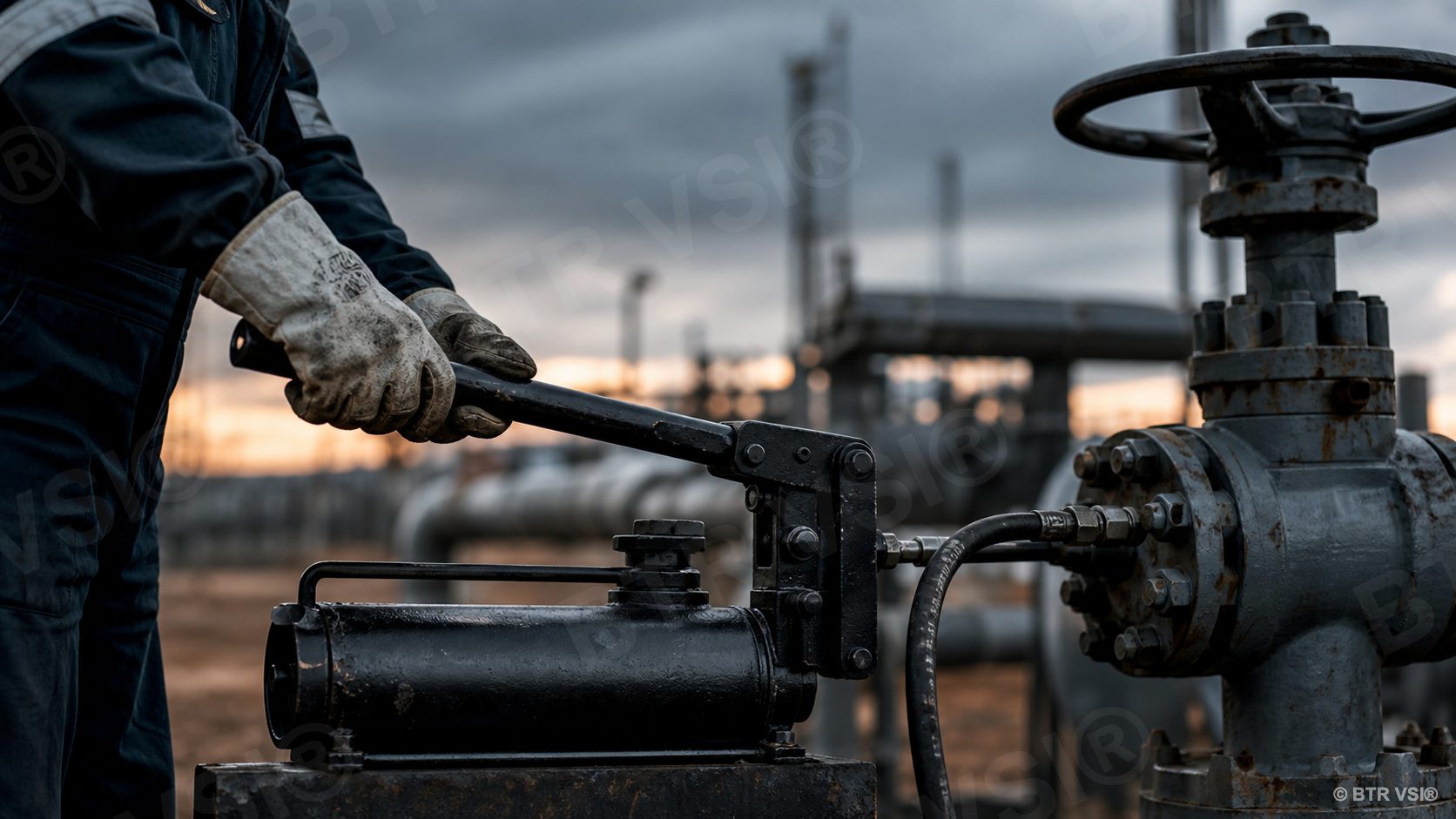
Training fails when it stays in the classroom. A programme needs hands-on work with the guns, pumps and fittings the team will actually use. Each operator should connect, inject a controlled amount, read the pressure response and stop, all under supervision.
Training should also cover fitting care, hose handling and gauge reading. Teach the screening signs, such as pressure rise or flow indication, and their limits. These signs suggest a condition; they never prove it. The confirming step for a passing valve is a seat-leak test under agreed conditions.
Our field teams work across the Middle East, Asia and Africa, and that experience shapes our courses. Refresh the training when equipment or products change, not only when people join. See the operator training service for the shape of a course, and read how a hydraulic hand gun works alongside it.
4. Inspect equipment on a written schedule
Inspection has two layers: a check before every use, and a formal inspection on a written schedule. The daily check covers hoses, seals, gauges and couplings. The scheduled inspection opens the equipment and compares its condition against the maker's specification.
Volume control belongs here as well. Pneumatic pump systems can be supplied with customised stroke counters, so the team records how much product it injects. A counter supports the controlled-amount rule and leaves an auditable record after the job.
Plan repair before failure. Each gun model has minor and major service kits, and worn equipment should leave service on a schedule, not after an incident. Keep a written record of every formal inspection, with a date and a result. Our equipment repair service covers guns and pump systems.
5. Learn from every incident
Every incident and near miss is free instruction, if the programme collects it. Set one simple rule: any unexpected pressure response, or any injection that does not go to plan, is recorded and reviewed. A near miss reported today is an incident avoided later.
Reviews should ask what the rules missed, not who erred. One known example: organic sealants can harden in dry gas and seize valves. A review that finds a product and service mismatch should change the selection rules, not just the operator.
Close each review with an honest endpoint. If a valve stays ambiguous after treatment, the next step is a proper assessment, or replacement. Records of product, pressure and result make the next review faster, and they feed straight back into the written rules.
Common questions
Injection safety programme questions, answered directly
How often should high pressure injection equipment be inspected?
Check hoses, seals, gauges and couplings before every use. Then inspect the equipment formally on a written schedule, and repair or service it before it fails. Follow the maker's guidance where it exists.
Do you need a permit to inject sealant into a live valve?
Yes, where the site runs a permit system. The permit must allow injection into a pressurised line, and site rules may add limits. If the permit or the valve design does not suit injection, the job stops until the gates are met.
Can any leaking valve be treated by injection while online?
No. In-service treatment works only where the valve has injection fittings in good condition, the design and service suit injection, and the permit allows the work. Valves without these gates need shutdown work, a proper assessment or replacement.
What should operator training for injection cover?
Hands-on work with the guns, pumps and fittings the team will use, plus fitting care and gauge reading. Operators should also learn the screening signs and their limits, and when to stop work.
Need help writing your rules?
Send the safety programme outline. An engineer replies within 24 hours.
Include your valve list, line conditions, current permits and training gaps, and an engineer will suggest where to start.