An air-operated sealant gun or pneumatic pump needs clean, dry compressed air delivered at steady drive pressure, through hoses and fittings large enough to keep flow up. Moisture and dirt are the usual causes of stalling and early wear. Where site air is poor or absent, a suitable portable compressor or a hand-operated gun are the practical options.
Knowledge · Injection equipment
Compressed air for injection guns: what the site must provide
Air-driven injection guns and pumps only work as well as the compressed air behind them.
1. What the air side must deliver
Air-operated guns and pneumatic pumps turn compressed air into injection pressure. The BTR 550D gun uses a double-acting piston with a 100:1 ratio and a rating of 10,000 PSI. The air side drives the piston; the sealant side follows that drive.
Double-acting means air pushes the piston both ways, so air flows throughout each stroke. The ratio is fixed, so injection pressure tracks drive pressure. If the air supply sags under load, the gun slows, stalls mid-stroke, or cannot reach the pressure the job needs. When that happens, the gun is rarely at fault; the air behind it usually is.
Air supply therefore belongs in the equipment decision, not as an afterthought. Our injection equipment buying guide covers the wider choice of guns and pumps. This page covers the air side only.
2. Clean and dry air, or early wear
Compressed air carries what the atmosphere and the compressor give it: water vapour, dust and oil mist. As air cools along the hose, moisture condenses out of it. That water then reaches the air motor. The requirement is simply clean, dry air at steady pressure.
Wet air washes lubricant from the piston and speeds wear. Dirty air scores the cylinder and can jam the air circuit. In cold sites, moist air can ice at the exhaust and stop the gun mid-job. These faults rarely look like air supply problems at first. They present as gun faults, and the gun gets blamed.
- Fit a filter and water trap near the gun, not only at the compressor.
- Drain the receiver and any low points in the line each shift.
- Use a dryer where site humidity is high.
- Blow new hoses through before their first connection.
3. Hose runs, bore and fittings
A hose is a restriction. The longer the run and the narrower the bore, the more drive pressure is lost between source and gun. Every fitting, bend and quick coupler adds its own loss. On paper the source pressure looks fine; the loss happens along the hose.
The classic symptom is a gun that runs briskly unloaded, then stalls under load. It meets injection pressure, and the supply cannot keep up. Tested with no flow, the same supply looked adequate.
- Keep the run from source to gun as short as the site allows.
- Follow the hose bore given in the equipment manual.
- Count the couplers in the line; each one restricts flow.
- Confirm delivery with the gun working under load, not idle.
Make the check formal at handover. Our commissioning checks for new injection equipment list what to verify first.
4. Portable compressors: honest limits
Many sites have no air network near the valve, so the realistic choice is a portable compressor. Its limits deserve plain speech.
A compressor can suit a fitting or two and still fail on a full work programme. When the receiver empties faster than the pump refills it, drive pressure falls. With a fixed ratio, injection pressure falls with it, and no adjustment at the gun changes that relationship. A larger receiver buffers short injections. Sustained pumping needs sustained delivery.
Bottled compressed air is clean and dry for occasional jobs, but the volume is finite and refills depend on your logistics. Site air, where it exists, is usually the steadier source.
Check the compressor against the site permit before mobilising. Some sites restrict engine-driven plant near live process lines.
5. When site air cannot be fixed
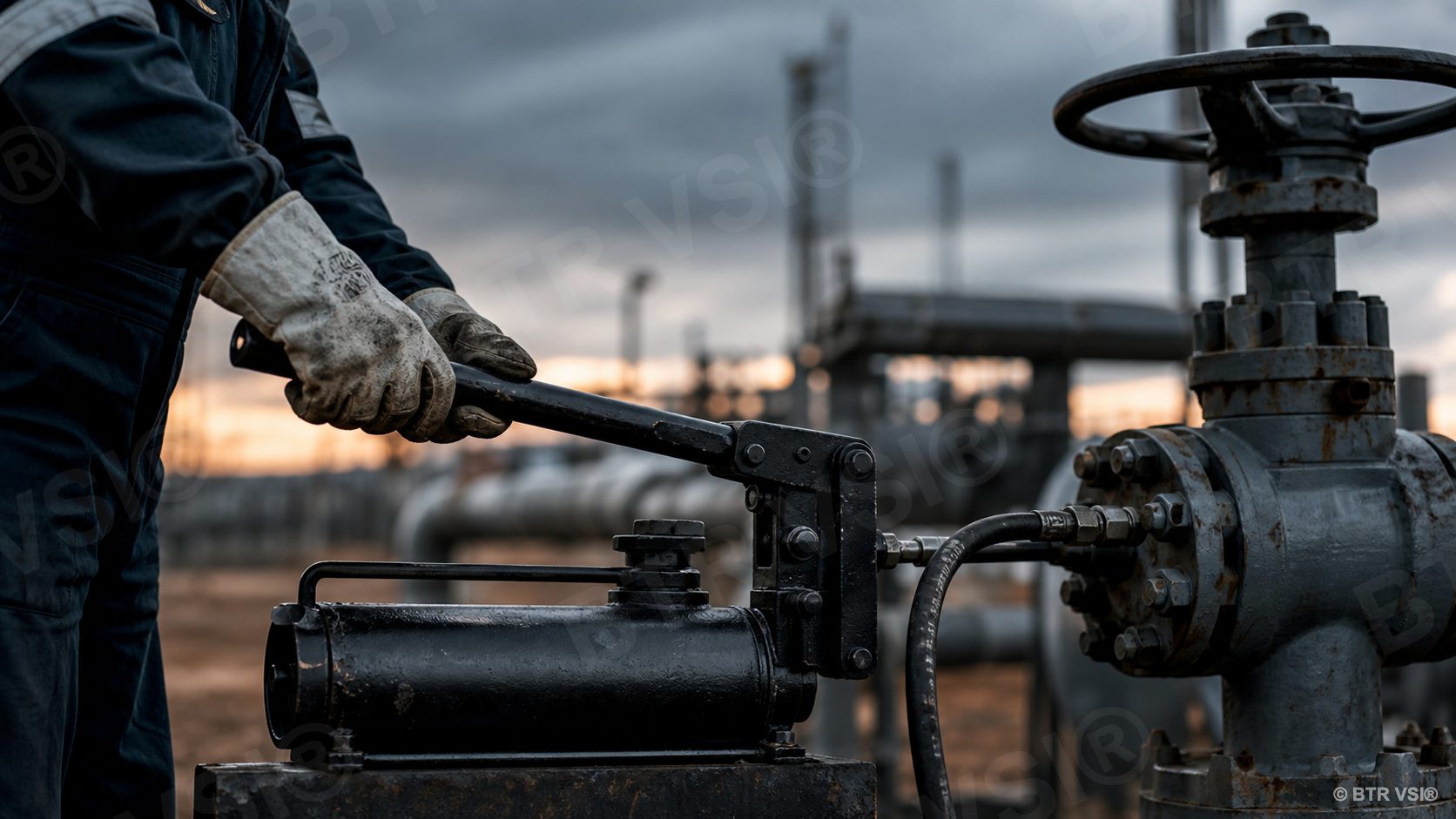
Some sites never solve the air problem, and the equipment can be chosen around it. The BTR450D hydraulic hand gun needs no air supply at all; the operator supplies the effort.
The trade-off is pace and stamina against independence. For a few fittings, a hand gun is often the least intrusive answer. For many valves, or high volumes of sealant, air-driven equipment is the practical choice. Weigh the two routes in choosing injection equipment by pressure, volume and field constraints.
Plan the whole picture, air included, in equipping a site for online valve maintenance. Or leave the air question to us: our field service teams arrive with their own injection equipment and work from it. Whatever the route, record the air arrangement in the site plan, so the next crew does not rediscover it.
Common questions
Air supply for guns questions, answered directly
What air pressure does a sealant gun need?
Follow the drive pressure stated in the equipment manual, never above it. A ratio gun multiplies drive pressure, so the drive pressure you need depends on the injection pressure the valve demands. When unsure, ask us with the gun model to hand.
Can a small portable compressor run a sealant gun?
Usually yes, for light or occasional injection work. The honest test is sustained delivery under load, not the reading at the coupler before work starts. If the receiver empties and the gun stalls, the compressor is too small for that job.
Why does my air-operated injection gun stall under load?
Common causes include a long or narrow hose, wet or dirty air, or a compressor that cannot sustain delivery. A pressure gauge at the gun during flow indicates which. Each cause has its own fix, so diagnose before buying parts.
Do I need an air dryer for injection guns?
Not always. A water trap and drained lines suit many sites. Where humidity is high, hose runs are long, or guns are used often, a dryer reduces wear and stalling.
Unsure about your site air?
Send the site air details. An engineer replies within 24 hours.
Include your valve types and count, the air available on site, and the injection work you plan.