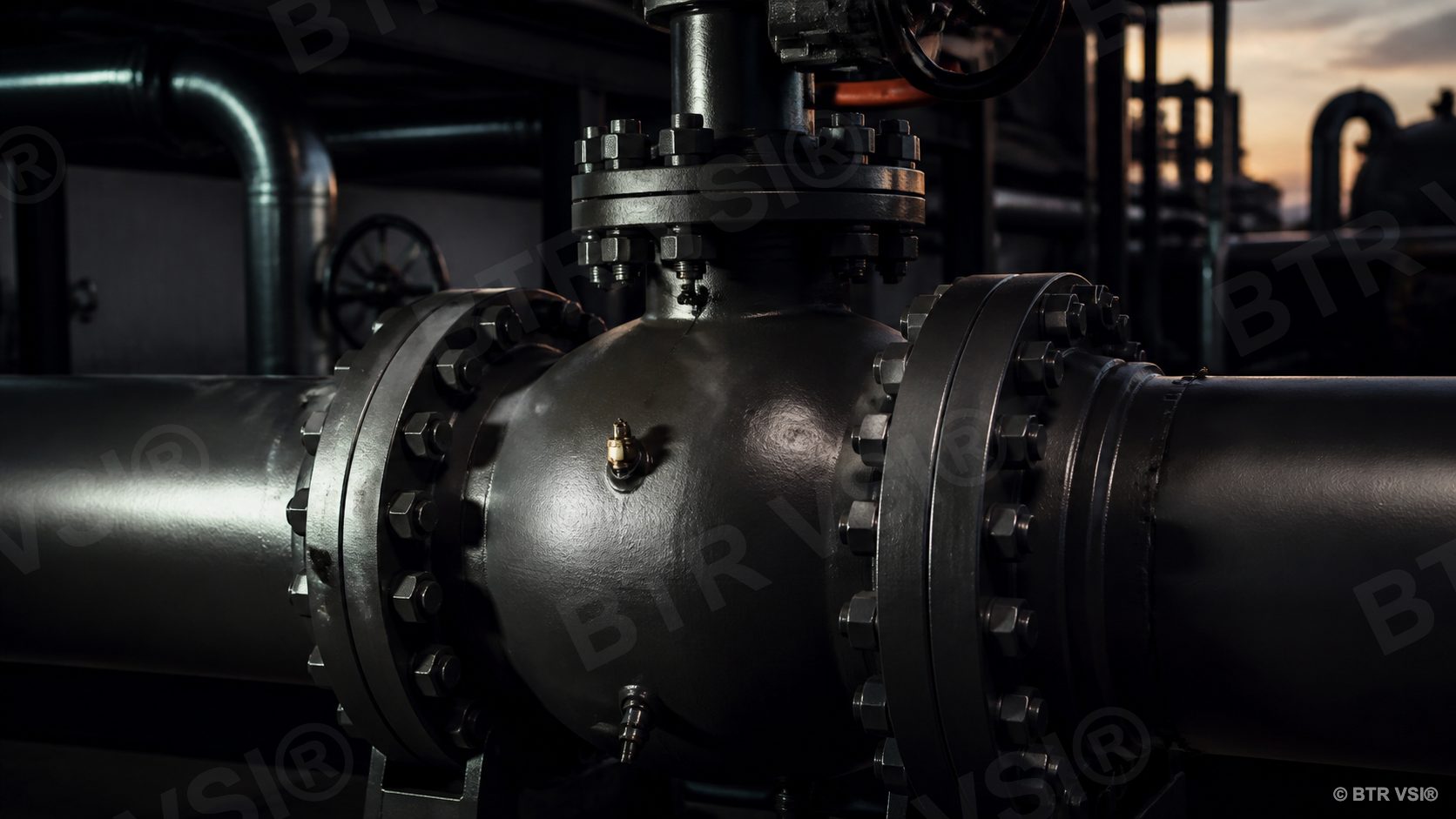
For natural gas transmission valves, choose a non-hardening sealant or lubricant matched to dry gas, because gas carries little heavy hydrocarbon to soften compounds, and organic sealants can harden and seize valves. Lubricant suits high torque and protection; sealant suits passing seats in suitable cases. Confirm any result with a seat-leak test under agreed conditions, and follow OEM limits and site permits before injection.
Knowledge · Product selection
Natural gas transmission valves: sealant and lubricant selection
Choosing a sealant for dry natural gas service means weighing hardening risk against long maintenance intervals.
1. Why dry gas changes the choice
Natural gas from a transmission line carries little heavy hydrocarbon. There is no liquid condensate to soften films or reseal surfaces. Any compound in the valve must hold its own body and stay plastic over years.
Organic sealants can harden in dry gas and seize valves, according to industry knowledge. This is the main selection risk for large bore transmission ball valves. A compound that sets hard in the seat pocket can leave the valve seized.
Choose a non-hardening compound for this duty. The trade-off is real: non-hardening sealants can be displaced or washed out over time, so they need planned top-ups rather than a single treatment. The failure path is described in dry-gas valve leakage and compatibility checks.
2. Lubricant or sealant
A valve lubricant reduces friction between ball, seats and stem. It lowers operating torque and protects sealing surfaces. It will not block a leak path once a seat is worn or scored. See lubricant versus sealant for where each belongs.
A valve sealant carries solids that bridge small gaps in the seat interface. It suits a valve that still passes after cleaning and lubrication. In a healthy valve it adds little, and overuse can block injection ports.
The practical sequence on transmission valves is cleaner first, lubricant as routine care, then sealant only when seat leakage indicates a gap. That order keeps the least intrusive option first.
3. What to specify for large bore valves
Specify the compound against the valve and the site, not against a general purpose label. Useful checks include:
- Non-hardening behaviour in dry gas, stated by the maker for gas service.
- Pumpability at the lowest site temperature, so the gun can move the compound.
- Stability at operating temperature, so the compound does not thin and drain away.
- Compatibility with the seat and seal materials listed in the valve data.
- Volume: large bore valves hold far more compound in the seat circuit than small ones.
Our non-hardening sealants and lubricants are made in-house for gas duties; see the valve sealants range. The sealant buying guide covers the full specification in order.
4. Injection limits and controls
Before any injection, the gates come first. The valve must have injection fittings in good condition. The valve design and the service must suit injection, and site rules with the permit-to-work must allow the job. Where OEM documents exist, consult them for limits and warranty terms.
Injection itself is controlled, not open-ended. Work in small amounts within equipment and fitting ratings. A fast pressure rise with little volume taken suggests a blockage; rising valve drag suggests a full cavity. Stop and reassess at either signal. Industry safety practice keeps stem-fitting injection at or below 3,000 psi for buttonhead fittings. Never keep injecting to chase a seal.
For the process step by step, see how valve sealant injection works and when.
5. Intervals, cycling and verification
Common operator practice is a top-up of about one eighth of system capacity, twice a year, and more often during warranty periods. This is reported practice, not a rule. The valve, the compound and the site set the real cadence, and long intervals only work with a compound that stays plastic.
Regular partial cycling, within the line operating procedure, keeps the film spread and helps prevent seizing.
To verify a passing valve after treatment, agree the test first: pressure decay across the closed valve, double block and bleed monitoring, or a witnessed leak test. Factory acceptance standards set leakage classes; they are not field results. If leakage persists after sound treatment, the honest endpoint is a seat condition assessment, or replacement.
Common questions
Sealant for gas valves questions, answered directly
Can one sealant work in both gas and crude oil valves?
Often not. Dry gas lacks the heavy components that keep some compounds soft, and organic sealants can harden in dry gas and seize valves. Compounds are graded by service, so match the product to dry gas duties and check compatibility before use.
How much sealant should I inject into a transmission ball valve?
Work in controlled amounts within equipment and fitting ratings rather than a fixed volume. Watch the pressure response and stop when it climbs sharply or drag builds. A common top-up is about one eighth of system capacity, but the valve and site set the real amount.
How often should transmission valves be lubricated?
Reported operator practice is a small top-up twice a year, and more often during warranty periods. The honest interval depends on the valve, the compound and the line. Set it from seat leak checks and torque trends, not from the calendar alone.
Will sealant injection stop a leaking valve stem?
Usually not by itself. Stem leakage often points to packing or stem seal wear, and injection through a stem fitting has limits, with industry practice keeping buttonhead fittings at or below 3,000 psi. Persistent stem leakage warrants packing work, a proper assessment or repair.
Have a passing gas valve?
Send the valve details. An engineer replies within 24 hours.
Include valve size and class, gas service, symptoms and any test results, and we will suggest a compound.