Galling is local welding between sliding metal surfaces under high load. Asperities pierce the lubricant film, the oxide layer breaks, and bare spots weld and tear. A durable lubricant film, applied after cleaning, keeps the surfaces apart and prevents it.
Knowledge · Lubrication science
Galling in valve trims: how metal surfaces weld and how lubrication prevents it
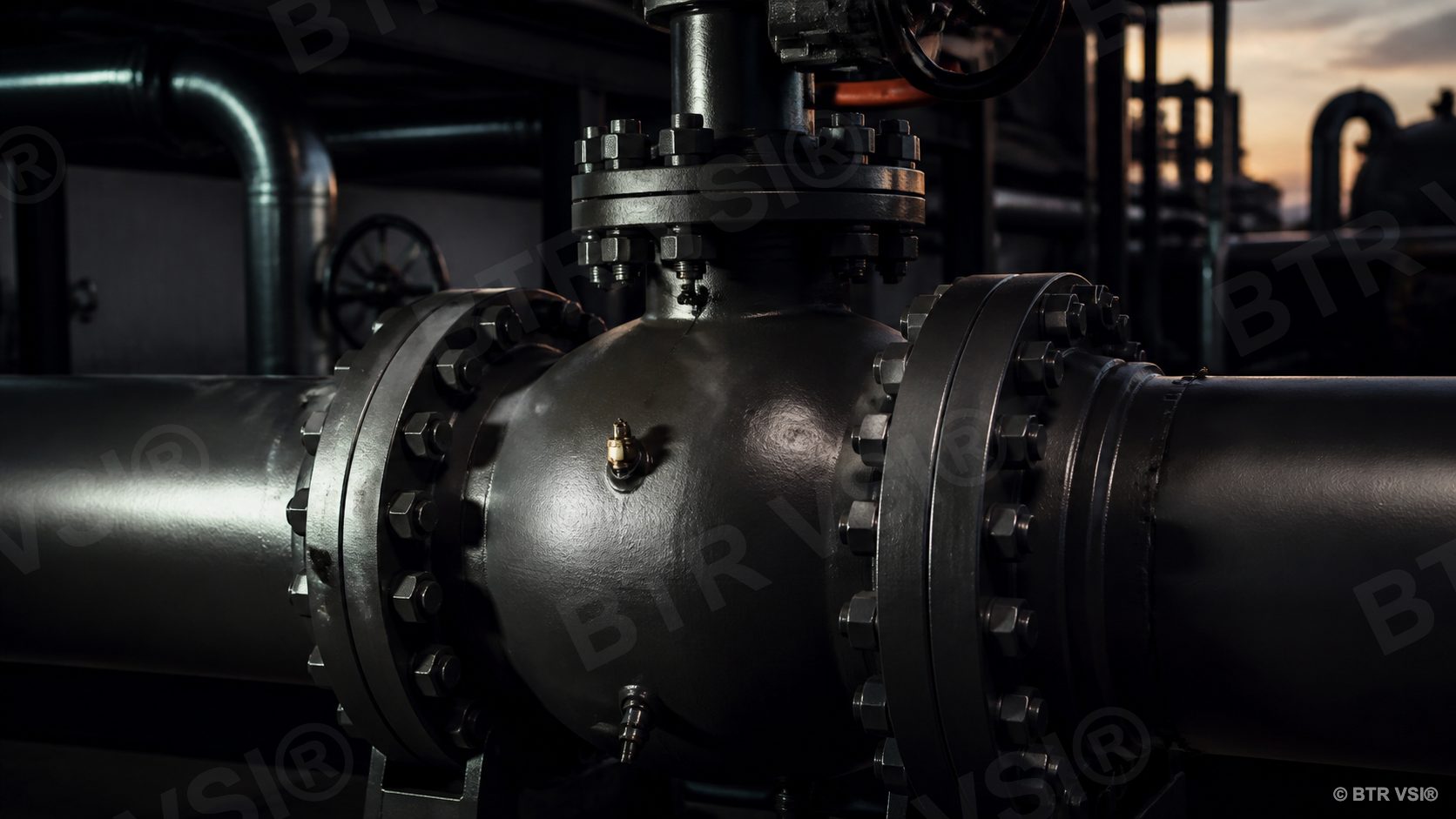
Under high load, bare metal asperities on valve trims can weld together and tear.
1. What galling actually is
Galling is a form of adhesive wear between metals that slide under high load. Real surfaces carry microscopic peaks, called asperities, however smooth the machining appears. When load presses the surfaces together, these peaks carry almost all of the contact stress.
Each asperity is normally protected by a thin oxide film, which stops metal touching metal. High contact stress and sliding can break this film within moments. Bare metal then touches bare metal, and the two surfaces weld at the contact points.
Continued sliding tears each welded spot, and metal transfers from one surface to the other. The transferred lumps roughen both faces, so the damage accelerates with further movement.
Unlike abrasion, which cuts metal away, galling moves metal between the surfaces. Austenitic stainless steels, common in valve trims, are among the materials prone to this behaviour.
2. Common causes in valve trims
Any condition that strips the film or raises contact stress pushes a trim towards galling. Common causes include the following, and several often act together.
- High seating loads combined with sliding, as when a valve closes against high differential pressure.
- Long periods without movement, which let grease dry, drain or harden until the film disappears.
- Debris, weld spatter or pipeline scale trapped between the closing surfaces, which cuts through the film.
- Hardened sealant or grease residue that blocks lubricant passages and stops fresh lubricant arriving.
- Mismatched trim materials, or identical soft materials sliding on themselves, which weld readily.
Soft-seated valves hide some of this damage behind their inserts, while metal-seated trims show it directly. Galling is one driver of stiff or seized operation among several. Read it alongside our fuller article on hard-to-operate valves and their fixes.
3. What symptoms suggest, and what confirms them
Rising breakaway torque, jerky movement through the stroke, and visible scoring all suggest galling. Metal particles in old grease drained from a cavity also suggest welded contact.
A torque trend across several operations is stronger screening evidence than one high reading. None of this is proof, because several faults produce the same signs.
The confirming evidence is direct inspection of the trim surfaces, usually at overhaul or repair. Photographs of the ball, gate or seats show the torn, transferred metal clearly. Until then, treat galling as a working indication, not a diagnosis.
One limit deserves plain language before any treatment is considered. Lubrication can prevent galling or slow its early stages, but it cannot reverse welded metal. A badly galled trim needs a proper assessment, often followed by replacement of parts.
4. How a lubricant film prevents the weld
A lubricant works by keeping a separating film between the asperities, so oxide layers never break. Under high load the film thins, and protection then depends on boundary additives and solids. These boundary layers carry the load instead of the asperities themselves.
The film must also survive in place between services, not just at injection. Grease ages through oxidation, oil bleed and hardening over time. An old charge can stop protecting long before it looks empty.
Not every compound suits every service, so match the lubricant to the fluid and the duty. In dry gas service a poor film fails quickly, so selection matters even more.
Our article on grease ageing and oxidation explains that slow decline. The full valve lubrication guide covers compound selection in more depth.
5. Why cleaning comes before lubrication
Fresh lubricant cannot protect metal surfaces that it cannot reach. Hardened grease, dried sealant and debris block passages and coat the surfaces.
Organic sealants left in dry gas service are known to harden and seize valves. Lubricant injected through that residue often adds pressure without reaching the metal.
Cleaning comes first, then lubrication, through the designed route. Before injection, the buttonhead fittings must be in good condition.
The valve design and the service must suit injection, and the site permit must allow the work. Where OEM documentation exists, we consult it for limits and warranty terms. In-service treatment is not always possible, and we say so.
Every injection is controlled in amount, never an open-ended chase. We inject small measured amounts within the equipment and fitting ratings. We watch the pressure response and stop at defined stop-work conditions.
Cycling then spreads the fresh film across the whole sliding surface. Valves are commonly cycled at least twice a year to prevent seizing, though site practice varies.
Our valve cleaners soften and lift the old residue inside the valve. Our valve lubricants then restore a fresh protective film on the trim.
Common questions
Valve galling causes questions, answered directly
What causes galling in valves?
Galling is caused by high contact load and sliding between bare metal surfaces. The oxide film breaks, asperities weld, and movement tears them apart. Lost lubricant film, debris and long periods without cycling are common contributing causes.
How do you prevent galling in valve trims?
Keep a lubricant film in place that survives the load and the service. Clean hardened residue from the lubricant passages before injecting fresh compound. Cycle the valve regularly, following OEM guidance and your site practice.
Can a galled valve be repaired by lubrication?
No, lubrication cannot undo metal that has already welded and transferred. Cleaning and lubrication can prevent galling and may help early, rough-running stages. A badly galled trim needs a proper assessment, and often replacement of the damaged parts.
Which valve materials are most prone to galling?
Austenitic stainless steels are known to be prone, especially when identical grades slide on themselves. Aluminium alloys also weld together readily under load and sliding. Hardened, dissimilar trim pairs resist galling better than soft, matching materials.
Is a valve running rough?
Send the valve details. An engineer replies within 24 hours.
Include the valve type and size, the service fluid, the symptoms seen, and any torque history.