An emergency valve call-out starts with information, not travel. You send the valve details by WhatsApp or the contact form, and an engineer replies within 24 hours with an assessment and a proposed course of action. If in-service treatment suits the valve and the permit allows it, a team mobilises, treats the valve with controlled injections, and closes with a seat-leak test under agreed conditions.
Knowledge · Working with us
Emergency call-outs: what happens when a valve stops planned work
When a valve stops planned work, the early response decides the outcome.
1. What counts as a valve emergency
Common triggers include a valve that will not seal, a valve that is seized, or a leak from the stem or body. Each one stops planned work, because the line behind it cannot be trusted.
The figures come from a risk-based valve integrity study of upstream and midstream sites, published by Valve World. Passing seats made up 61 per cent of failures, and seized valves 28 per cent. Distributions vary by valve population, so treat these figures as context, not law.
These symptoms suggest a sealing or movement problem, but they do not confirm one. Confirmation comes later, from a seat-leak test under agreed conditions.
Common causes include hardened lubricant, debris held on the seat, and long periods without operation. A valve can run well for years and then fail in a week.
2. What to send in the first message
Speed at the start comes from information, not from an injected product. Send the problem by WhatsApp or through the contact form. A reply reaches you within 24 hours, from an engineer.
- Valve type, size and pressure class, from the nameplate if possible.
- The service: fluid, pressure and temperature.
- What the valve does now, in plain words.
- Photos of the valve and its injection fittings.
- Your site location and any permit constraints you already know.
An engineer may ask for more before anyone travels, because details change the plan. A cleaner is often the right first move. A dirty seat, not a worn one, is often the true problem. If the valve has no fittings, we will say so at this stage.
Our emergency call-out service begins with this exchange, and mobilisation follows when the assessment supports it.
3. What we check before anyone travels
In-service treatment is not universally possible, and an honest provider says so early. Before a team leaves, an engineer works through the gates below.
- The valve has injection fittings, and they are in good condition.
- The valve design and the service suit injection of cleaner, lubricant or sealant.
- Site rules and the permit-to-work allow work on a live, pressurised line.
Where OEM documentation exists, we consult it for limits and warranty terms. Valves built with injection points are designed to be maintained in service. If the gates fail, we recommend a proper assessment or replacement.
Every emergency is assessed case by case, on its own facts. Two identical valves on the same line can need different first moves. The same logic applies when choosing an online valve maintenance provider.
4. What happens on site
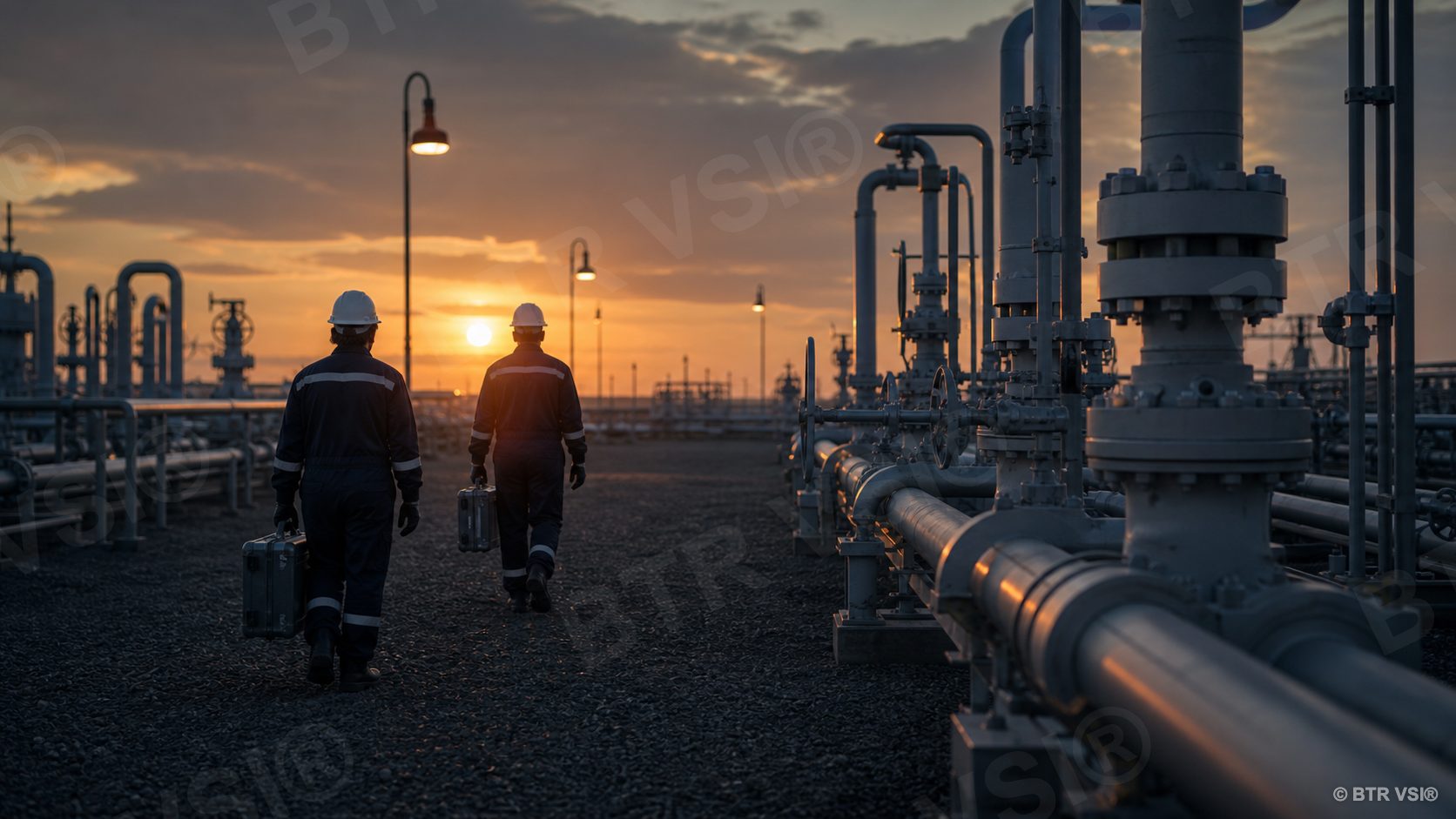
The team arrives with cleaners, lubricants, sealants and injection equipment packed as a complete field kit. Our field teams travel worldwide from India, so arrival time is discussed openly at the start.
In many cases the first intervention is a cleaner, then a lubricant. Sealant follows only if the seat still passes after cleaning. Each product goes in as a controlled amount, within equipment and fitting ratings.
The operator watches the pressure response throughout, stroke by stroke. Stop-work conditions are agreed before the first injection, and any unexpected response stops the job.
Emergency isolation by body fill sits apart from this routine. It is a specialised and higher-risk procedure, performed by trained specialists, assessed case by case. We do not propose it lightly for any passing valve.
Work ends with a seat-leak test under conditions agreed on site. That may be pressure decay measured across the closed valve. It may be double block and bleed monitoring, or a witnessed leak test. A valve that merely feels better has not been verified.
5. After the call-out: record and prevention
Each treated valve receives a service record before the team leaves. It states what was injected, through which fittings, and the test result. Keep it with the valve history, because the next engineer will need it.
Behind many emergencies there is simple neglect that finally became visible. Valves that are cycled and injected on a schedule seize less often. Seats that stay clean and lubricated also seal better over time.
An annual maintenance contract moves this work off the emergency list. Your own operators can also learn to catch the early signs, through an operator training programme. If you are still building your plan, request the product guide through an enquiry.
An engineer sends the guide and can mark what fits your valves. A failure avoided usually costs less than a failure survived.
Common questions
Emergency call-out response questions, answered directly
How fast can you respond to a valve emergency?
An engineer replies within 24 hours to any valve problem sent by WhatsApp or the contact form. Mobilisation then depends on the site, the permit process and travel, which we discuss openly before anyone leaves.
Can a leaking valve be fixed without a shutdown?
In suitable cases, yes. If the valve has injection fittings in good condition and the permit allows live work, cleaner, lubricant or sealant can often restore sealing. If those gates fail, we say so and recommend assessment or replacement.
What is emergency valve isolation by body fill?
It is a specialised and higher-risk procedure, performed by trained specialists, assessed case by case. It is not a routine fix, and it is not right for every passing valve. We assess each case on its own facts before proposing anything.
What should I send when I request an emergency call-out?
Send the valve type, size and pressure class, the fluid, pressure and temperature, a plain description of the symptoms, photos of the injection fittings, and your site location. An engineer replies within 24 hours.
Has a valve stopped your work?
Send the valve details. An engineer replies within 24 hours.
Include the valve type and size, service conditions, symptoms, fitting photos and your site location, by WhatsApp or the contact form.